Can You Get Finance for Older Earthmoving Equipment? What Lenders Really Think
Read time: 6 min
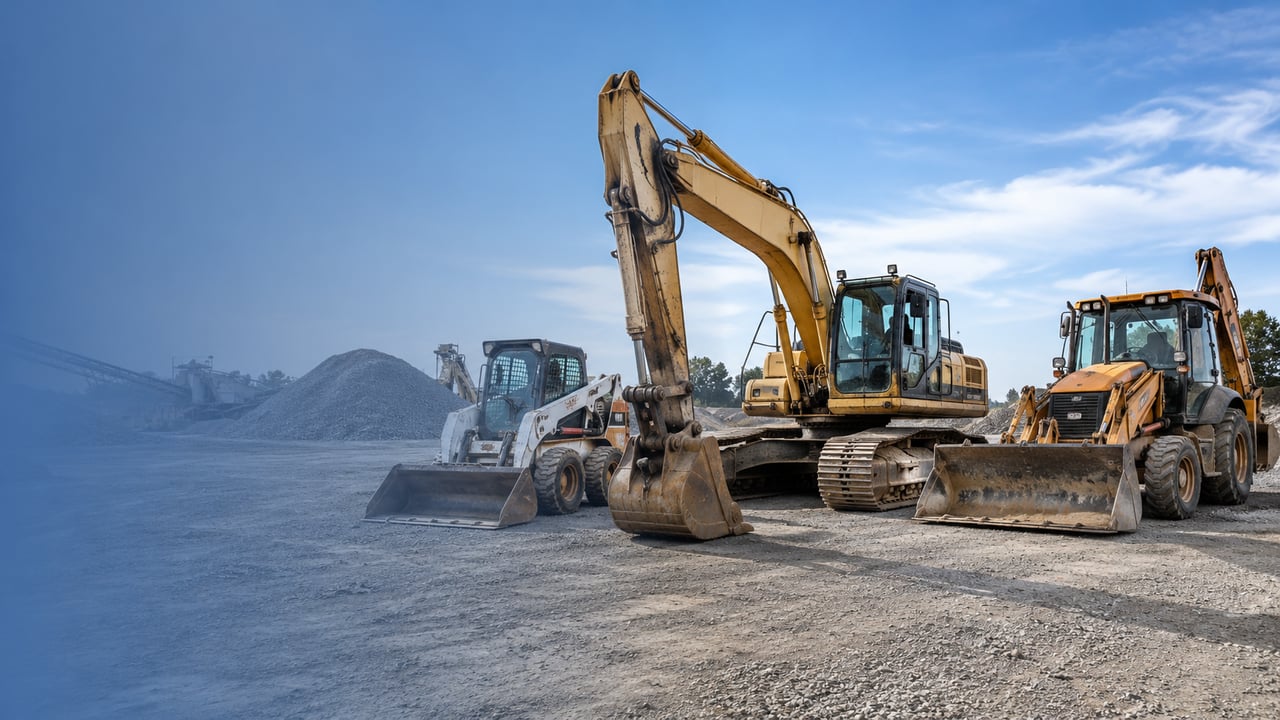
Buying an older excavator, loader, skid steer, or backhoe can be a smart move, especially if you want to keep costs down and get on site fast. The big question is whether a lender will back it.
Yes, finance can be possible for older earthmoving equipment, but approvals depend on what the asset is, how old it is, where you are buying it from, and the overall strength of your deal.
This guide explains how lenders actually assess older equipment, what improves your chances, and what to do if you have been told “too old, can’t be financed”.
The short answer
You can often get finance for older earthmoving equipment, but lenders usually tighten their rules as the machine ages.
Most lenders care about:
- Asset age and condition
- Hours and service history
- Resale value and market demand
- Who you are buying from
- Your profile and credit story
If the machine is outside a lender’s standard policy, you can still get approved by using the right lender and structuring the deal correctly.
Why lenders get nervous about older gear
Lenders are not just funding a machine. They are funding the risk that the machine will still be working and worth something if anything goes wrong.
Older assets can raise concerns like:
- Higher breakdown risk and downtime
- Uncertain maintenance history
- Harder resale or lower market demand
- Higher chance the asset value drops below the loan balance
- Parts availability and repair cost blowouts (depending on make/model)
That is why “older equipment finance” is less about your interest rate and more about whether the deal fits the lender’s appetite.
What “too old” really means
When a lender says “too old”, they usually mean one of these:
1) The machine is over their maximum start age
Some lenders have a hard limit on how old the asset can be at purchase.
2) The machine will be too old at the end of the term
Many policies focus on the asset’s age at the end of the loan. A 12-year-old excavator over a 5-year term becomes 17 years old at payout, which may be outside policy even if the machine is good.
3) The asset type has weak resale demand
Some niche machines are harder to liquidate. Some lenders prefer mainstream gear with strong second-hand demand.
4) The deal has too little “buffer”
Low deposit, limited service history, private sale, high hours, and weak bank conduct can stack up and push it outside the acceptable risk profile.
The biggest factors lenders look at for older earthmoving equipment
Asset condition (more important than age)
A well-kept older machine can sometimes beat a newer machine with unknown history. Lenders like:
- Evidence of servicing and repairs
- Clean presentation and no obvious leaks or major defects
- Reputable brand with ongoing parts support
Hours
Hours matter because they change reliability and resale. High hours are not always a deal-killer, but they can trigger:
- shorter loan terms
- higher deposits
- stricter lender selection
Who you buy from (dealer vs private)
In many cases:
- Dealer purchase is easier because there is paperwork, GST invoices, and usually clearer provenance.
- Private sale can be financeable, but some lenders restrict it or require more verification.
Your trading history and bank conduct
Lenders want to see that the business can support repayments.
A solid story always helps:
- consistent income
- manageable liabilities
- clean bank statements
How to improve your chances of approval
Here are the practical levers you can pull.
1) Choose a shorter term
If age at loan end is the issue, shortening the term can bring it back into policy.
2) Add a deposit (even a modest one)
A deposit can offset:
- age
- higher hours
- private sale risk
3) Provide service history and proof of condition
If you can show the machine has been maintained, it reduces perceived risk.
Useful items include:
- service records and invoices
- inspection report (dealer or third party)
- photos and serial number details
4) Pick equipment with strong resale demand
Mainstream earthmoving brands and common models are typically easier to finance because lenders can value them and sell them if needed.
5) Get the deal packaged properly
This is the difference between a blank ‘no’ and a real assessment.
A good submission clearly explains:
- why this asset
- how it will be used to generate income
- why the machine is still a strong asset despite age
- how you will manage maintenance and cash flow
Common structures for older equipment finance
Depending on your profile and lender, you may see:
- Shorter terms (to keep end-age acceptable)
- Higher deposits (to create equity buffer)
- Different lender choice (specialist or non-bank options may be more flexible)
- More verification (inspection reports, invoices, serial number checks)
The goal is simple: reduce uncertainty for the lender while keeping repayments workable for you.
What documents you may need
This varies, but common requirements include:
- ABN details and time trading
- equipment details (make, model, year, hours, price)
- supplier details (dealer invoice is helpful)
- bank statements (often requested)
- proof of income or BAS (sometimes)
- ID checks and PPSR checks (depending on lender and asset)
When older equipment finance might not be worth it
Even if you can get approved, it might not be the best move if:
- the machine is likely to cause heavy downtime
- major components are near end-of-life
- parts are hard to source
- you will spend the first year paying repayments and repairs
If you are buying older gear, the finance decision should be paired with a reliability decision.
FAQs
Can I finance a 10 to 15-year-old excavator in Australia?
Often yes, depending on lender policy, the machine’s condition, and the term length. The biggest constraint is usually how old the machine will be at the end of the loan.
Will lenders finance older equipment from a private seller?
Some will, some won’t. Private sales can require extra checks and documentation. A broker can help place it with a lender that is comfortable with the supplier type.
Do I need a deposit for older earthmoving equipment?
Not always, but it improves your odds significantly. Older asset deals are often approved faster and on better terms when there is a deposit.
Does high hours mean automatic decline?
Not automatically. Hours are assessed alongside service history, condition, brand, and your ability to repay. High hours can mean a shorter term or a larger deposit.
What is the best way to get approved for older equipment finance?
Provide strong asset info, choose a realistic term, add a deposit if possible, and ensure the deal is packaged with a clear business case and supporting documents.
Looking at financing older gear?
If you’re looking at financing older gear and you want help exploring your options, start your application with us below.